
Stay Healthy: Malaria Cause, Symptoms and Preventive Measures
Adedokun Muhammad A.
The fact that human beings are not the only living organisms in the ecosystem makes it important to know and understand how to relate to the environment. We have diverse organisms with different ecological niches, some of which are capable of transmitting an infectious agent from one place to another, known as “vector(s)”.
Numerous are examples of vectors, but this article will enlighten you on one of these, that belongs to the Arthropods phylum and of the class Insecta, Mosquito.
A mosquito is a domestic insect with various species capable of transmitting infectious diseases, an example of which is Malaria.
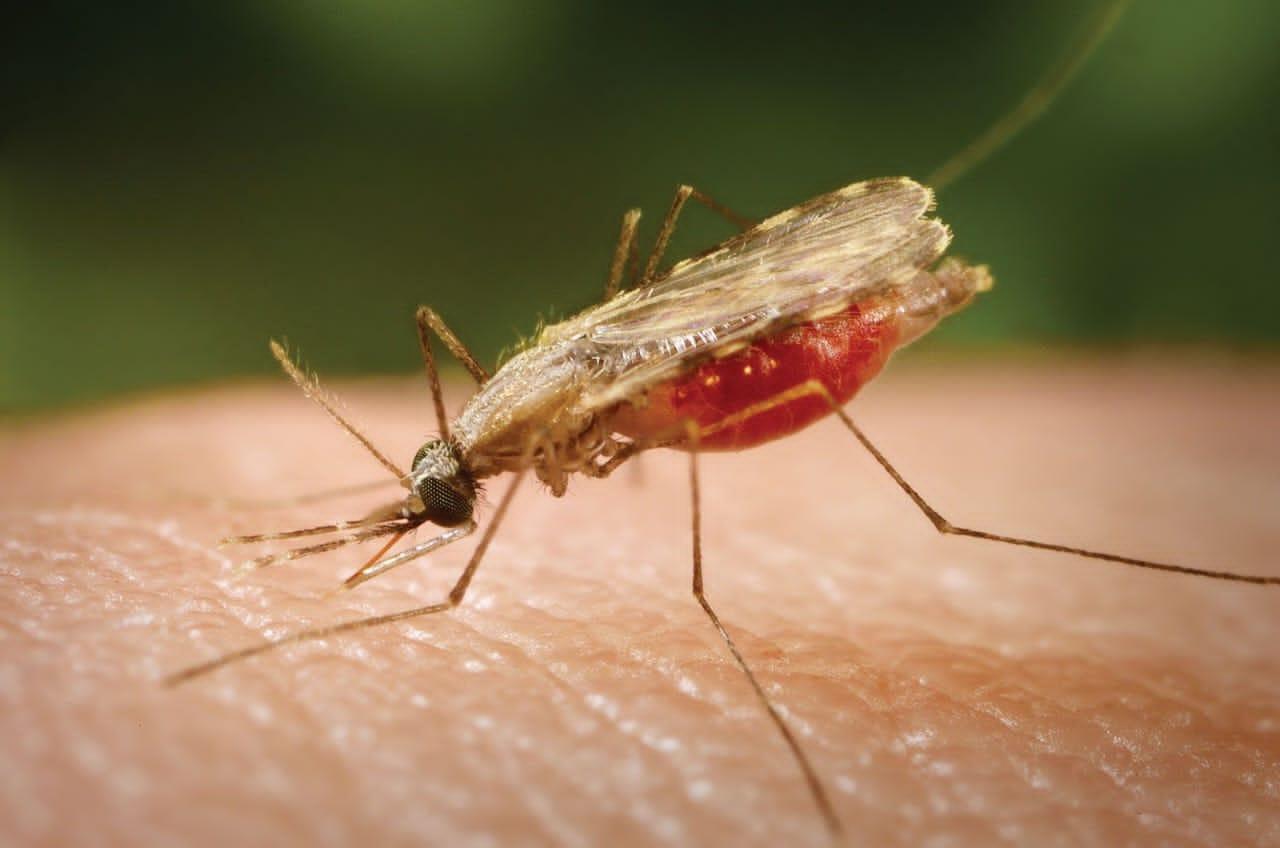
Malaria is a non-communicable disease spread to humans by some types of mosquitoes of the genus Anopheles. It is mostly found in tropical countries. It is life-threatening but preventable and curable.
Cause
Malaria is caused by a parasite called Plasmodium, which is transmitted through the bite of an infected female Anopheles mosquito.
According to the World Health Organization (WHO), “Globally in 2022, there were an estimated 249 million malaria cases and 608 000 malaria deaths in 85 countries. The WHO African Region carries a disproportionately high share of the global malaria burden. In 2022, the Region was home to 94% of malaria cases (233 million) and 95% (580 000) of malaria deaths. Children under 5 accounted for about 80% of all malaria deaths in the Region.”
Symptoms
Symptoms usually start within 10-15 days of being bitten by an infected mosquito.
The most common early symptoms of malaria are:
1. Fever
2. Headache
3. Chills
Severe symptoms include extreme tiredness and fatigue, impaired consciousness, multiple convulsions, difficulty breathing, dark or bloody urine, jaundice (yellowing of the eyes and skin), and abnormal bleeding.
Some types of malaria can cause severe illness and death. Infants, children under 5 years, travelers, and people with HIV or AIDS are at higher risk. Pregnant women are also at higher risk, as malaria infection during pregnancy can also cause premature delivery or delivery of a baby with low birth weight.
Preventive Measures
1. Avoid being bitten by mosquitoes by spraying the surroundings with insecticides and also sleeping under treated nets.
2. Avoid breeding mosquitoes by ensuring the surroundings are kept clean, clear stagnant waters, and dispose of unused containers properly.
3. Get vaccinated (though under development).
4. Reading informative articles such as this to be enlightened in order to stay safe.
People with severe symptoms should get emergency care right away. Getting treatment early for mild malaria can stop the infection from becoming severe.
alfaaedahpress
Al-Faaedah is the flagship journal of MSSN Akinyele Area Council, promoting authentic Islamic scholarship, moral leadership, student mentorship, and societal development.
Did you find this reflection beneficial?
Your feedback guides our editorial board on future essays and dispatches.
Reader Discussion (3)
A deeply insightful exploration. The balance between academic discipline and spiritual consciousness is precisely what our student body needs today.
Barakallahu feek Brother Ahmad. May Allah grant our youth steadfastness in learning and practice.
Jazakumullahu Khayran to the editorial team. The references from Surah Taha were especially grounding.
Related Perspectives & Notes

Why Should Billionaires Invest in Renewable Energy?
By Hanat Oladele. A Question of Necessity in the Economic, Health and Social Sector. The newfound gold in Renewable Energy has led to the surge of investments i...

What Happens to Your Brain When You Eat Junk Food Every Day
By Laila's Writes. Did you know? The food we eat doesn't just affect our bodies but also shapes our psychological well-being. Eating healthy and natural foods i...

Capsicum annuum
Fatimah Akinpelu Nutraceutical Do you know that while eating, you can actually prevent or manage some diseases? Yes, it happens. Such foods are called Nutraceut...