
NIGERIA WE WISH FOR: YOUR DUTY, MY DUTY


Fatimoh Akinpelu
“Nigeria is bad. It is a very bad country. It isn’t worth living in. Of all countries, why must I be born in Nigeria? The cost of living is too high.”
These are the familiar words that echo daily in the mouths of countless Nigerians. We curse the government, insult our leaders, and lament the state of our nation. Rarely do we stop to pray for our dear country or speak positively about her future. Walk down any street, and you’ll hear conversations filled with criticism, blame, and hopelessness.
But pause for a moment. Could it be that not all our problems come from the government? Could it be that, in some ways, we, the citizens, also contribute to the hardship we complain about?
Let me share a simple story.
It was a Sunday. A program was scheduled to hold that day, and everything was set — the environment was clean, the decorations were beautiful, the food and drinks were ready, even the small chops for the tea break were neatly packed. But there was one thing missing: “pure” water.
Because of its importance, two others and I were sent to get some.
Being a Sunday, everywhere was calm, most shops were closed, the roads were quiet, and people were resting, having gone through the week’s stress. After a short search, we found two shops open, side by side.
We approached the first shop and asked for the price of a bag of “pure” water.
“₦500,” the shopkeeper replied.
₦500? The same bag we usually buy in the hostel for ₦350! Shocked, we walked away and went to the second shop but to our surprise, it was the same price there too.
We were angry, but we had no choice. The program had to continue, and we needed the water. We bought it reluctantly.
Now, here’s the question: Do these sellers get their water from heaven? Why make life harder for others just because you can? The sellers who sell for ₦350 still make a profit, so why inflate the price just because demand is high or for some other reason?
This is not an isolated case. We see it in our hostels, our markets, our communities, and everywhere. We complain that Nigeria is hard, yet we make it harder for ourselves through greed, selfishness, and exploitation.
Yes, the government has its faults: poor leadership, corruption, and bad policies among others. But when we cheat one another and inflate prices unnecessarily, are we not also part of the problem?
True change does not begin only from the Aso Rock, from the Government. It begins with you and me. From our mindset, our actions, and our willingness to treat one another fairly.
If we truly want a better Nigeria, we must learn to be better Nigerians. The government alone cannot fix this country; the citizens must rise to live by honesty, fairness, and empathy.
Because, in the end, a nation is only as good as its people, and a leader will be from the midst of people that are in great number in the nation, be it good or bad.
alfaaedahpress
Al-Faaedah is the flagship journal of MSSN Akinyele Area Council, promoting authentic Islamic scholarship, moral leadership, student mentorship, and societal development.
Did you find this reflection beneficial?
Your feedback guides our editorial board on future essays and dispatches.
Reader Discussion (3)
A deeply insightful exploration. The balance between academic discipline and spiritual consciousness is precisely what our student body needs today.
Barakallahu feek Brother Ahmad. May Allah grant our youth steadfastness in learning and practice.
Jazakumullahu Khayran to the editorial team. The references from Surah Taha were especially grounding.
Related Perspectives & Notes

Surrounded by Blessings We Often Overlook
By Aliyah Mahmud In the rush of daily life, it is easy to believe that blessings only come in grand achievements: earning a degree, securing a dream job, owning...
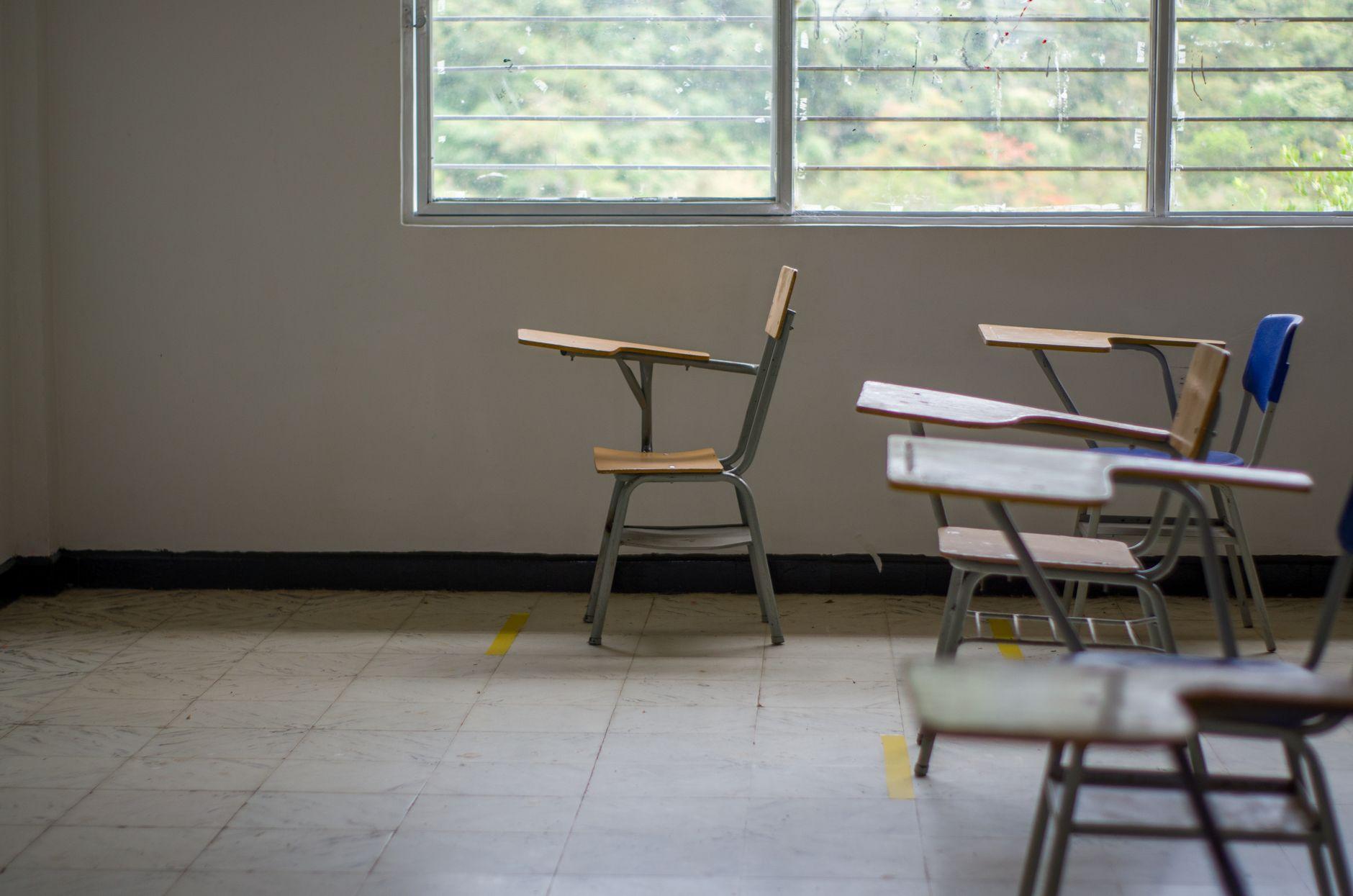
Bandits empty the classroom at the cost of kidnapping Nigerian students
By Aishah Adesile In northern Nigeria, the word “school” now comes with a second meaning: target. Over the last 5 years, armed bandits have turned kidnapping st...

BECOMING WITHOUT APPLAUSE
By Maryam Hammed Titilayo They clap for stories once they shine,not nights that wrestled doubt in tears.They praise the glow of the finish line,not hidden battl...