
A CRISIS OF ACCOUNTABILITY: WHO WILL SAVE NIGERIA’S FUTURE?


More than half of Nigeria’s children are out of school, a staggering figure that represents a ticking time bomb for the nation’s future. While government policies promise free education and student loans, the reality is a system starved of resources and plagued by neglect. With Nigeria allocating less than 15% of its annual budget to education, a figure far below the recommended international benchmark, the crisis is not a matter of a few failures but a systemic collapse. So, who is to blame—the government, the citizens, or both? The answer is a shared, brutal accountability.
The government’s failures are glaring. The meager funding provided for education is a drop in the ocean compared to what is required to build and maintain modern schools. Facilities are often inadequate and unsafe, and learning environments are far from conducive. Teachers, the very backbone of the system, are treated poorly, with low salaries and delayed payments, which predictably cripples their morale and effectiveness. The failure to rigorously implement policies that could enforce compulsory education and improve standards shows a profound lack of political will.
Yet, citizens are not without fault. A significant portion of the population, disillusioned by the high rates of graduate unemployment, dismisses education as a “scam.” They focus on immediate, often illicit, avenues to wealth, forgetting that education is the fundamental tool for navigating the modern world and building a sustainable future.
The collective voice of the citizens is also muted; their calls for action on education reform are often drowned out by other social demands. This public apathy allows the government to neglect its duties without facing significant criticism or pressure.
Ultimately, solving Nigeria’s education crisis is a collaborative project that demands action from all sides. The government holds the primary responsibility, as it has the power to legislate, enforce, and fund systemic change. Without a drastic increase in the education budget and a commitment to transparent and effective spending, the situation will not improve.
Citizens, in turn, must rise from their apathy. They must hold their leaders accountable, demanding better policies and tangible investments in education. They must also shift their own cultural perception, recognizing that education is a powerful investment in personal and national development, not a mere gateway to a white-collar job.
The crisis is a reflection of a society where neither the government nor the citizens are fully performing their roles. For Nigeria to grow and for its people to thrive, this collaborative effort is not an option—it is the only way forward.
alfaaedahpress
Al-Faaedah is the flagship journal of MSSN Akinyele Area Council, promoting authentic Islamic scholarship, moral leadership, student mentorship, and societal development.
Did you find this reflection beneficial?
Your feedback guides our editorial board on future essays and dispatches.
Reader Discussion (3)
A deeply insightful exploration. The balance between academic discipline and spiritual consciousness is precisely what our student body needs today.
Barakallahu feek Brother Ahmad. May Allah grant our youth steadfastness in learning and practice.
Jazakumullahu Khayran to the editorial team. The references from Surah Taha were especially grounding.
Related Perspectives & Notes
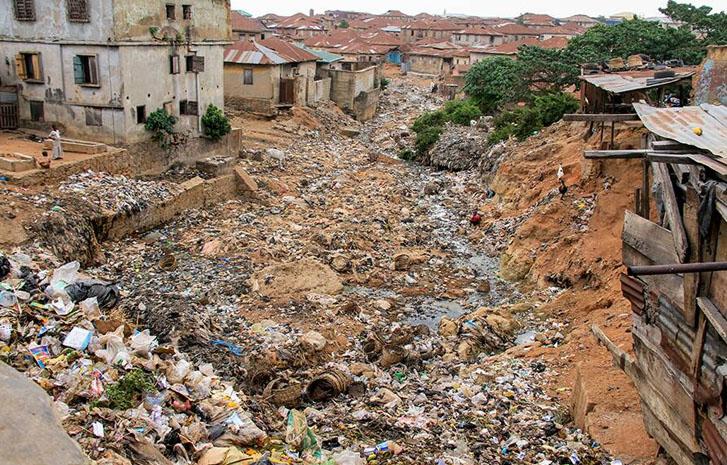
Editorial: The Refuse That Refuses to Leave Ibadan: Consequences and the Causes of Waste Mismanagement
“Where do I start from, everything is gone. Please help me; I am finished,” Alimot Adeleke cried out.

Editorial: UI Advises 226 to Withdraw: The 5.0 System—or a Deeper Failure We Refuse to Address?
Recently, the University of Ibadan’s advice of withdrawal to 226 students has made the headlines. The students advised to withdraw span 100 to 500 levels across...
Editorial: UI Advises 226 to Withdraw: The 5.0 System—or a Deeper Failure We Refuse to Address?
Recently, the University of Ibadan’s advice of withdrawal to 226 students has made the headlines. The students advised to withdraw span 100 to 500 levels across...