
JAMB and the Nigerian Student: A System in Need of Compassion and Reform


By 1974, Nigeria had seven federal universities. Each institution conducted its own entrance examination for admission, but this method proved inefficient and burdensome for candidates—both financially and emotionally. In response, the Federal Government established the Joint Admissions and Matriculation Board (JAMB) in 1978. The board was tasked with standardizing the admission process into all universities, polytechnics, and colleges of education across Nigeria.
Since its inception, JAMB has made significant strides in simplifying admissions and reducing the cost burden on students. By creating a unified matriculation examination, it ensured that all candidates, regardless of their chosen institution, were evaluated under the same standards.
However, this progress has not been without challenges. While many acknowledge JAMB’s achievements, concerns persist over its operations, especially following the introduction of the Computer-Based Test (CBT) system. Though CBT was only introduced in 2013 and made mandatory by 2015 to curb widespread malpractice, critics argue that Nigeria may not yet be fully equipped for a digital transition of this scale.
Indeed, the shift to CBT has revealed numerous systemic flaws. At several centers, poor internet connectivity delays exam commencement, and malfunctioning computers further frustrate candidates. The problem of unstable electricity supply, coupled with a shortage of reliable examination centers—particularly in rural areas—means many candidates must travel long distances, sometimes across states, just to sit for the exam.
This situation creates intense emotional and psychological distress. Some candidates face hours-long delays, with exams scheduled for early morning starting as late as 1:00 p.m. Others arrive only to find that their assigned computers are nonfunctional. These experiences not only exhaust students but can seriously impact their performance.
Adding to this burden are the broader social realities students face: financial hardship, broken homes, and the pressure to work like adults to support themselves. In such circumstances, expecting peak academic performance is unrealistic. While some blame social media, substance abuse, and gambling for the high rate of failure—over 75% of candidates scored below average in this year’s UTME—such criticisms ignore the larger context.
What do we say to the candidate who studied diligently, only to be undone by faulty equipment or logistical failures? What of those who journeyed long hours, alone and tired, to unfamiliar towns? Fatigue, anxiety, and instability are no less damaging than academic unpreparedness.
As Norman Vincent Peale once said, “Every problem has within it the seed of its own solution.” The issues plaguing JAMB’s processes are not insurmountable—they are opportunities for reform.
To begin with, the board must ensure thorough inspection and accreditation of CBT centers. Only well-equipped centers with stable internet and electricity should be approved. Increased investment in rural areas is vital—students in these regions deserve the same ease of access as those in urban centers. More centers would reduce the need for travel and mitigate the accompanying emotional toll.
Communication must also improve. Clear, timely instructions and public orientation on exam procedures will minimize confusion and mistakes. Candidates, on their part, must take personal responsibility—reading instructions carefully, confirming center locations beforehand, and seeking clarification when necessary.
Parents and guardians must also play their role in providing emotional and logistical support, recognizing that success in such a high-stakes exam goes beyond academics. Ultimately, ensuring a credible, fair, and humane examination system requires collective effort from policymakers, educators, parents, and the students themselves. With adequate planning, transparent operations, and a compassionate understanding of the candidates’ realities, JAMB can truly fulfill its founding vision: a gateway to equitable access to higher education.
alfaaedahpress
Al-Faaedah is the flagship journal of MSSN Akinyele Area Council, promoting authentic Islamic scholarship, moral leadership, student mentorship, and societal development.
Did you find this reflection beneficial?
Your feedback guides our editorial board on future essays and dispatches.
Reader Discussion (3)
A deeply insightful exploration. The balance between academic discipline and spiritual consciousness is precisely what our student body needs today.
Barakallahu feek Brother Ahmad. May Allah grant our youth steadfastness in learning and practice.
Jazakumullahu Khayran to the editorial team. The references from Surah Taha were especially grounding.
Related Perspectives & Notes
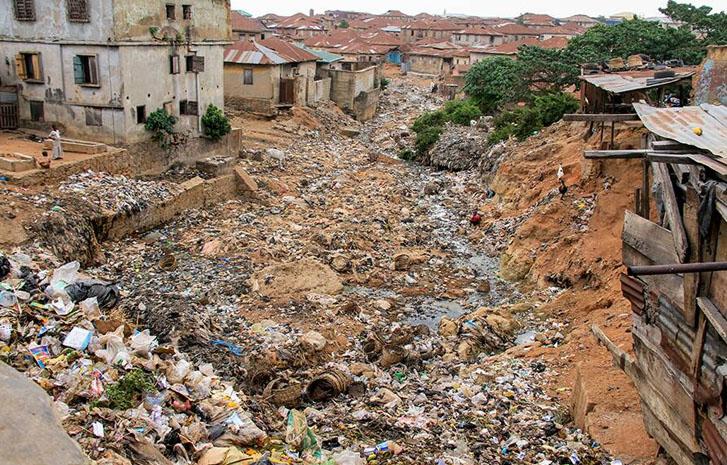
Editorial: The Refuse That Refuses to Leave Ibadan: Consequences and the Causes of Waste Mismanagement
“Where do I start from, everything is gone. Please help me; I am finished,” Alimot Adeleke cried out.
Editorial: UI Advises 226 to Withdraw: The 5.0 System—or a Deeper Failure We Refuse to Address?
Recently, the University of Ibadan’s advice of withdrawal to 226 students has made the headlines. The students advised to withdraw span 100 to 500 levels across...

Editorial: UI Advises 226 to Withdraw: The 5.0 System—or a Deeper Failure We Refuse to Address?
Recently, the University of Ibadan’s advice of withdrawal to 226 students has made the headlines. The students advised to withdraw span 100 to 500 levels across...