
Nigerian Adolescents: Internet and the Curriculum


The world continues to advance, and the means of communicating with one another around the globe become increasingly seamless. This has been made possible by a global network that connects billions of computers, smartphones, and devices worldwide—a network of networks known as the Internet.
The importance this has brought to us is numerous, from making information readily available to making communication through the social media platforms a nice experience. However, despite the numerous benefits, this tool is not without its dangers.
The utilization of this tool has gained prevalence across people of different ages, and this doesn’t exclude adolescents (ages 10- 19), this is the category in which secondary school students fall. The approved minimum age for admission into Junior Secondary School 1 (JSS1) in Nigeria is 12 years old. In Nigeria today, secondary school students are between the ages of 10 and 18, a formative stage that demands discipline, focus, and guided values. The use of the internet among this age group calls for modifications to what they’re being taught in the walls of their classroom and beyond. Parents and/or guardians of this age group are to take this issue into consideration while engaging with them.
Opesade and Adetona (2021) concluded that: “…students in selected secondary schools in Ibadan metropolis are regular users of the Internet.
Majority begin to use the Internet at the of 10 to 12 years. They mostly use the Internet once or twice a week during normal school periods and every day or almost every day during normal non-school periods. The most prominent purpose of using the Internet is for school work, followed by entertainment, communication, and information sharing. There is a considerable exposure to different cyber-risk behaviours” (p. 30)
The reasons for the use of the internet by this age group vary from getting information for the purpose of their academics to personal interests such as entertainment, chatting e.t.c.
Communication, interaction, and interpersonal relationships in the present world have gone beyond the traditional way and the routine physical interactions. Hence, it’s important to enlighten this age group about the use of the internet. Data is being posted on the internet massively day in, day out.
Fabio Duarte (2025) revealed that “Approximately 402.74 million terabytes of data are created each day…181 zettabytes of data will be generated in 2025.” This information includes both true and untrue, legal and illegal, accurate and inaccurate, appropriate and inappropriate, beneficial and detrimental, and safe and toxic. It’s also crucial to include the rate at which deepfakes (AI-generated synthetic media (video, audio, or images) that falsely show something or someone doing/saying things they never did) are being spread conveniently across the internet.
Adolescents are in a stage of human development between childhood and adulthood. This stage covers the period of physical, emotional, and social changes as a child grows into a young adult; a period in which their reasoning is still developing, and their judgment ability is still in its formative stage. At this stage, they still need clarity from the elderly ones to make genuine decisions.
Deepfake technology has made it increasingly difficult to distinguish authentic video footage from fabricated content, and this may even be more challenging for this immature/just-becoming-mature category.
It may be difficult or impossible for this age group to accurately decide and make sound judgments on whatever information they come across online. They may as well take part in the fabrication, sharing, spreading, and promotion of this disinformation.
It is high time our secondary school curriculum was reviewed to reflect the realities of the digital age. Social Studies, for instance, must move beyond the outdated practice of defining communication, interaction, and relationships solely in terms of physical encounters. In today’s world, young people interact just as much through screens as they do in classrooms or playgrounds. If we fail to acknowledge this shift, the youth may be left unequipped for the ethical and social challenges of the online world.
Therefore, the curriculum should be restructured to incorporate lessons on the responsible use of the Internet, digital etiquette, and the moral values that should guide online interactions. By doing so, subjects like Social Studies will not only retain their role of shaping civic responsibility but will also empower young minds to navigate the complexities of modern communication with wisdom and discipline.
alfaaedahpress
Al-Faaedah is the flagship journal of MSSN Akinyele Area Council, promoting authentic Islamic scholarship, moral leadership, student mentorship, and societal development.
Did you find this reflection beneficial?
Your feedback guides our editorial board on future essays and dispatches.
Reader Discussion (3)
A deeply insightful exploration. The balance between academic discipline and spiritual consciousness is precisely what our student body needs today.
Barakallahu feek Brother Ahmad. May Allah grant our youth steadfastness in learning and practice.
Jazakumullahu Khayran to the editorial team. The references from Surah Taha were especially grounding.
Related Perspectives & Notes

Editorial: The Refuse That Refuses to Leave Ibadan: Consequences and the Causes of Waste Mismanagement
“Where do I start from, everything is gone. Please help me; I am finished,” Alimot Adeleke cried out.
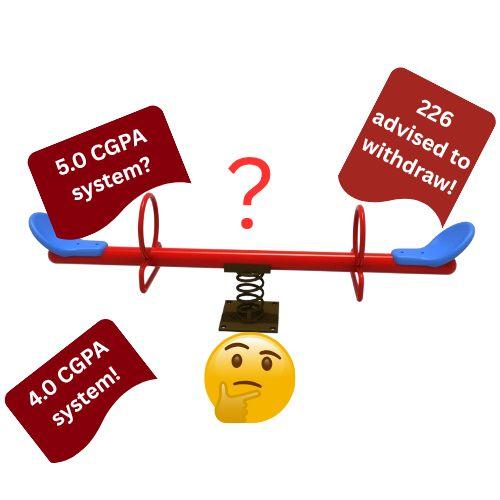
Editorial: UI Advises 226 to Withdraw: The 5.0 System—or a Deeper Failure We Refuse to Address?
Recently, the University of Ibadan’s advice of withdrawal to 226 students has made the headlines. The students advised to withdraw span 100 to 500 levels across...
Editorial: UI Advises 226 to Withdraw: The 5.0 System—or a Deeper Failure We Refuse to Address?
Recently, the University of Ibadan’s advice of withdrawal to 226 students has made the headlines. The students advised to withdraw span 100 to 500 levels across...